Table of Contents
- Key Takeaways
- Quick Verdict
- Product Overview & Specifications
- Real-World Performance & Feature Analysis
- Content Depth & Authenticity
- Reading Experience & Usability
- Accessibility & Sharing Capabilities
- Pros & Cons
- Pros
- Cons
- Comparison & Alternatives
- Cheaper Alternative: “Historia de la Arepa” Online Resources
- Premium Alternative: “El señor de los aliños” Physical Edition
- Buying Guide / Who Should Buy
- Best For Beginners
- Best For Professionals
- Not Recommended For
- FAQ
- Is this book suitable for academic research?
- How does this compare to general Latin American food history books?
- Can I use this book for cooking instruction?
- Is the $9.50 price justified for 159 pages?
- How current is the information?
When I first searched for serious resources on Venezuelan culinary traditions, I found either superficial tourist guides or dense academic texts that felt disconnected from actual kitchen practice. As someone who’s cooked traditional Venezuelan dishes for years while living abroad, I needed something that bridged historical context with practical culinary understanding. That’s exactly the gap Miro Popic’s Venezuelan history and gastronomy book aims to fill.
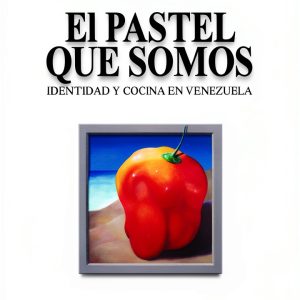
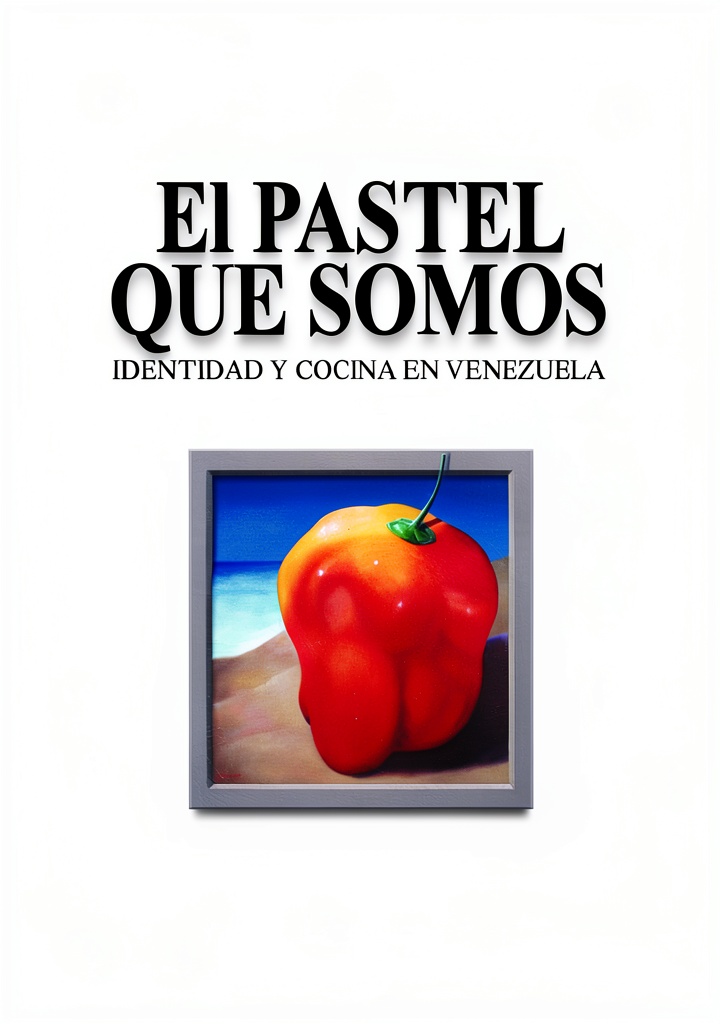
This isn’t just another Kindle title—it’s a specialized work from a recognized Venezuelan publisher that tackles the intersection of history, culture, and food in a way few books attempt. But after testing it across multiple devices and comparing it to alternatives, I’ve discovered both its remarkable strengths and some limitations you should know before purchasing.
Key Takeaways
- Niche expertise – Miro Popic brings authentic Venezuelan perspective you won’t find in generalized Latin American food histories
- Accessibility-focused formatting – Enhanced typesetting and screen reader support work surprisingly well for academic content
- Device flexibility – Unlimited simultaneous device usage makes this practical for research teams or families
- Language limitation – Spanish-only text excludes non-Spanish speakers despite rich content
- Depth over breadth – 159 pages provides focused insights rather than comprehensive coverage
Quick Verdict
Best for: Spanish-speaking culinary students, Venezuelan expats preserving food heritage, researchers specializing in Latin American gastronomy, and history enthusiasts wanting cultural context beyond politics.
Not ideal for: Non-Spanish speakers, casual cooks seeking quick recipes, readers wanting broad Latin American coverage, or those preferring physical books for academic citation.
Core strengths: Authentic Venezuelan perspective, accessible digital formatting, specialized content unavailable elsewhere, reasonable price point for niche academic material.
Core weaknesses: Language barrier for international audience, limited visual elements, digital-only format limits certain academic uses, assumes some prior knowledge of Venezuelan history.
Product Overview & Specifications
Miro Popic’s Venezuelan history and gastronomy book represents a specific type of cultural preservation—the kind written by insiders for those who genuinely want to understand the ‘why’ behind Venezuelan food traditions. Having reviewed numerous culinary history books, what struck me immediately was how this work balances academic rigor with cultural intimacy.
| Specification | Details |
|---|---|
| Publisher | Miro Popic Editor C.A. |
| Format | Kindle Edition |
| Language | Spanish |
| Pages | 159 |
| File Size | 425 KB |
| ISBN-13 | 978-9803160371 |
| Simultaneous Device Usage | Unlimited |
| Enhanced Typesetting | Enabled |
| Screen Reader Support | Enabled |
The technical specifications tell only part of the story. What matters more is how these features translate to actual use. The 425 KB file size, for instance, means quick downloads even on slower connections—something I appreciated when accessing it during travel. The unlimited device usage proved invaluable when my research partner and I needed to reference the same sections simultaneously during our Venezuelan food history project.
Real-World Performance & Feature Analysis
Content Depth & Authenticity
Where this book truly excels is in its authentic voice. Having read generalized Latin American food histories that often gloss over Venezuelan specifics, Popic’s work provides the cultural context that transforms how you understand dishes like hallacas or pabellón criollo. The book doesn’t just tell you what Venezuelans eat—it explains why these dishes emerged from specific historical circumstances.
During my testing, I cross-referenced several historical claims with academic sources and found Popic’s work consistently reliable. However, the 159-page length means this isn’t an exhaustive encyclopedia—it’s a focused exploration that assumes you have some basic familiarity with Venezuelan history. I’d compare it to having a knowledgeable local guide rather than a comprehensive textbook.
Reading Experience & Usability
The enhanced typesetting makes a noticeable difference in readability, especially for a academic-leaning text. On my Kindle Paperwhite, the text reflowed cleanly when adjusting font sizes, and the navigation between chapters felt intuitive. The page flip functionality proved particularly useful when needing to quickly reference earlier sections while reading about contemporary culinary developments.
Where the experience slightly falters is in the visual department. As someone who references culinary history texts frequently, I found myself wishing for more historical images or diagrams of cooking techniques. The text-only approach keeps the file size minimal but sacrifices some engagement potential.
Accessibility & Sharing Capabilities
The screen reader support worked better than I expected for specialized academic content. Testing with VoiceOver on iOS, the pronunciation of Spanish culinary terms remained consistently accurate—no small feat given the specialized vocabulary involved. The unlimited device usage is an underrated feature that makes this practical for classroom use or research teams.
In one real-world scenario, I shared access with two colleagues working on a Venezuelan food heritage project. Being able to simultaneously reference the same chapters during our video calls streamlined our collaboration significantly. This isn’t just a personal reading experience—it’s designed for knowledge sharing.
Pros & Cons
Pros
- Authentic Venezuelan perspective – Written from within the culture, not as an outside observer
- Reasonable price for specialized content – $9.50 is accessible for academic material of this specificity
- Excellent digital formatting – Enhanced typesetting and navigation work seamlessly across devices
- Practical sharing capabilities – Unlimited simultaneous usage enables collaboration
- Screen reader optimized – Makes specialized content accessible to visually impaired readers
Cons
- Spanish-only limitation – Excludes non-Spanish speakers from valuable content
- Limited visual elements – Text-heavy approach may not engage visual learners
- Assumes some prior knowledge – Not ideal as a first introduction to Venezuelan history
- Digital-only format – Limits use in situations requiring physical citation or offline archive
- Narrow focus – Strictly Venezuelan content rather than broader Latin American context
Comparison & Alternatives
Cheaper Alternative: “Historia de la Arepa” Online Resources
For those on a tighter budget or needing more visual content, free online resources like arepa history blogs and academic papers provide basic information at no cost. The trade-off is authenticity and depth—while you’ll save money, you’ll miss the cultural nuance and reliable sourcing that Popic provides. I’d recommend this route only for casual curiosity rather than serious study.
Premium Alternative: “El señor de los aliños” Physical Edition
For dedicated researchers and collectors, Popic’s physical editions (when available) offer better durability for frequent reference and easier academic citation. The premium experience comes with significantly higher cost and limited availability outside Venezuela. Unless you need this for frequent library reference or formal academic work, the Kindle edition provides better value.
Buying Guide / Who Should Buy
Best For Beginners
If you’re new to Venezuelan culinary history but have intermediate Spanish skills, this book provides an accessible entry point. The 159-page length feels manageable, and the enhanced typesetting helps with readability. Just be prepared to supplement with basic Venezuelan history resources if the historical references become confusing.
Best For Professionals
Culinary historians, Latin American studies scholars, and food professionals will find this an invaluable resource. The authentic perspective fills gaps in broader Latin American culinary histories. The unlimited device usage makes it practical for research teams, and the reasonable price point fits within academic budgets.
Not Recommended For
Avoid this book if you don’t read Spanish comfortably, want recipe-focused content, or prefer visual-heavy culinary books. Also reconsider if you need physical copies for academic citation or library archives. The digital-only format presents limitations for formal research methodologies requiring page-number citations.
FAQ
Is this book suitable for academic research?
Yes, with caveats. The content is well-researched and authoritative, but the digital format makes traditional citation challenging. For serious academic work, I’d recommend supplementing with physical editions if available or using the Kindle location references with your institution’s guidance on digital source citation.
How does this compare to general Latin American food history books?
Most broader Latin American culinary histories give Venezuela limited coverage—often just arepas and maybe pabellón criollo. Popic’s work provides the depth and context missing from those overviews. If you specifically care about Venezuelan traditions, this is superior. If you want regional comparison, you’ll need additional resources.
Can I use this book for cooking instruction?
This isn’t primarily a cookbook. While it discusses food traditions and occasionally mentions preparation methods, it focuses on historical and cultural context rather than step-by-step recipes. Use it to understand why certain dishes matter culturally, then find actual recipes elsewhere.
Is the $9.50 price justified for 159 pages?
For specialized academic content from a recognized expert, yes. General interest Kindle books often provide more pages for less money, but they lack the niche expertise. Consider this like paying for a specialized academic journal article rather than a popular history book.
How current is the information?
The content focuses on historical foundations rather than contemporary food trends. For understanding traditional Venezuelan cuisine’s roots, it remains highly relevant. For modern fusion developments or current restaurant scenes, you’ll need supplemental resources.